

The digital marketing world is evolving faster than ever before. As consumers expect hyper-personalized experiences and businesses compete for visibility, artificial intelligence (AI) has emerged as a game-changing tool.
AI isn’t just futuristic tech it’s already driving smarter ad targeting, deeper audience insights, and more efficient marketing workflows. Instead of replacing marketers, AI empowers them to make sharper, data-backed decisions and connect with audiences more meaningfully.
In this post, we’ll explore the role of AI in digital marketing, its benefits, core applications, and how your business can leverage AI to grow in 2025 and beyond.
What Is AI in Digital Marketing?
Artificial Intelligence (AI) in digital marketing refers to using intelligent systems and algorithms to automate tasks, analyze behavior, and deliver tailored experiences.
It helps marketers interpret massive data sets in real time turning numbers into actionable insights. With AI, marketing becomes faster, smarter, and more personal.
Here are some key types of AI used in marketing:
- Machine Learning (ML): Learns from user data to optimize campaigns over time.
- Natural Language Processing (NLP): Powers chatbots, voice assistants, and sentiment analysis tools.
- Generative AI: Creates new text, visuals, and ad copy from existing data patterns.
- Predictive Analytics: Anticipates customer behavior and buying intent.
Together, these technologies make digital marketing more precise, measurable, and scalable than ever before.
Why AI Matters in Modern Marketing
AI bridges the gap between what marketers think customers want and what data shows they actually need. It’s revolutionizing marketing by offering real-time adaptability, smart automation, and predictive insight helping businesses like Web Voice Works deliver personalized experiences that convert.
Top reasons why AI matters:
- Hyper-personalization at scale
- Smarter targeting and segmentation
- Data-driven decision-making
- Faster campaign optimization
- Predictive lead scoring and sales forecasting
Simply put, AI turns marketing from reactive to proactive allowing your campaigns to evolve alongside your audience.
Core Applications of AI in Digital Marketing
1. AI-Powered Personalization
Customers expect relevance. AI analyzes browsing history, purchase patterns, and online behavior to serve personalized recommendations and messages.
Examples include:
- Dynamic website banners that adapt to user interests
- Personalized email campaigns based on customer intent
- E-commerce recommendations that mirror buying behavior
At Web Voice Works, personalization is key to our digital strategies ensuring every click leads to meaningful engagement.
2. Predictive Analytics and Consumer Insights
AI’s predictive power allows marketers to anticipate what users will do next.
It can:
- Identify high-converting leads before they buy
- Forecast seasonal trends or customer churn
- Optimize campaign timing and ad spend
With predictive analytics, businesses gain confidence in every marketing decision minimizing waste and maximizing return.
3. Chatbots and Conversational AI
AI chatbots have transformed customer engagement by providing 24/7 instant support. They handle queries, book appointments, and even recommend products all while collecting valuable user data.
Benefits include:
- Faster customer responses
- Cost-effective service automation
- Seamless lead qualification
Conversational AI bridges the gap between automation and authenticity, keeping your brand human while scaling efficiency.
4. AI in Content Creation and Optimization
AI tools assist marketers at every step of the content process from brainstorming to optimization.
Common use cases:
- Generating keyword-rich blog outlines and ad copy
- Analyzing performance data to refine SEO strategy
- Automating A/B testing for better engagement
Generative AI platforms like Jasper or ChatGPT can help draft content faster, but human creativity and brand voice like that of Web Voice Works are what make it authentic and impactful.
5. AI in Advertising and Media Buying
AI has revolutionized paid advertising by automating bidding, targeting, and creative optimization.
AI ad systems can:
- Allocate budgets dynamically for maximum ROI
- Test thousands of ad variations in real time
- Identify which visuals and messages perform best
Whether it’s Google Ads or Meta campaigns, AI ensures your message reaches the right audience at the right time and cost.
The Benefits of AI in Digital Marketing
AI isn’t just improving campaigns it’s transforming entire marketing ecosystems.
Key Benefits:
- Deeper audience insights: Understand customer intent beyond surface-level demographics.
- Increased efficiency: Automate repetitive tasks like reporting and segmentation.
- Higher ROI: Optimize in real time for maximum returns.
- Better decision-making: Access clear, data-driven recommendations.
- Enhanced customer experience: Deliver the right message at the right moment.
When implemented strategically, AI turns data into growth and personalization into loyalty.
Challenges and Ethical Considerations
As powerful as AI is, it comes with responsibilities. Marketers must handle automation with care to maintain transparency and trust.
Main challenges include:
- Data Privacy: Stay compliant with GDPR, CCPA, and privacy standards.
- Algorithm Bias: Regularly review AI outputs to avoid biased targeting.
- Over-Automation: Keep the human touch in your brand messaging.
- Transparency: Inform customers when AI-driven systems interact with them.
Responsible AI use ensures long-term credibility and consumer trust two pillars Web Voice Works always prioritizes.
How to Integrate AI Into Your Marketing Strategy
Integrating AI into your digital marketing doesn’t have to be overwhelming the key is to start small and scale gradually.
Practical Steps to Get Started:
- Audit your data: Identify where automation can create the biggest impact.
- Choose the right tools: Start with AI-powered analytics or email automation platforms.
- Automate simple tasks: Begin with reporting, segmentation, or social scheduling.
- Test and refine: Let AI run insights but guide the creative process.
- Train your team: Build AI literacy to make data-driven decisions confidently.
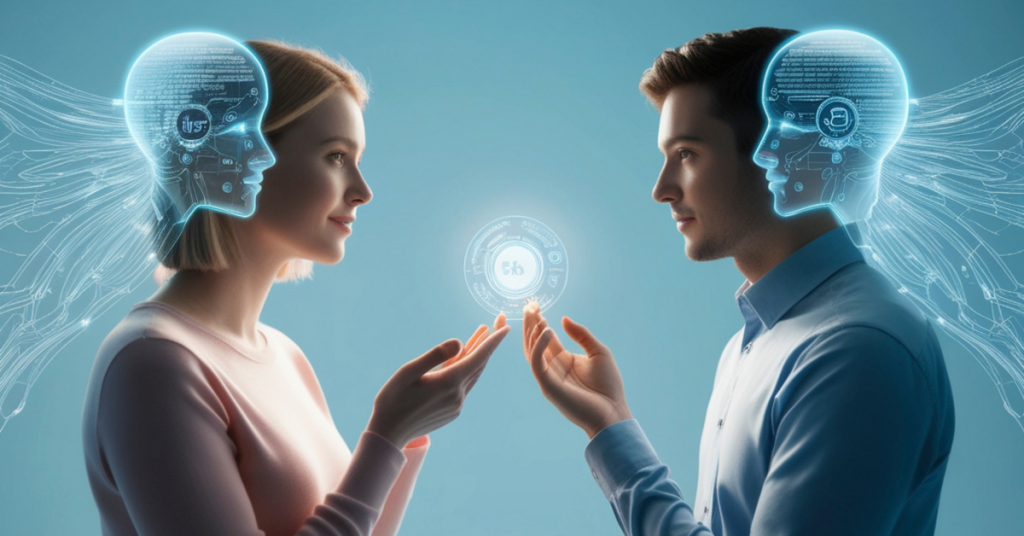
The best results happen when human creativity and AI intelligence work together not separately.
The Future of AI in Digital Marketing
The future of AI-driven marketing is already here and it’s reshaping how businesses grow.
Emerging trends include:
- Generative Engine Optimization (GEO): Optimizing content to rank in AI-driven search results.
- Voice and Visual Search: Preparing for multimodal discovery across devices.
- Emotion AI: Reading tone and sentiment to personalize messaging dynamically.
- AI Marketing Assistants: Managing end-to-end campaign workflows autonomously.
The next evolution of digital marketing belongs to brands that embrace AI early and use it to connect with customers authentically.
Conclusion
AI isn’t the future of marketing it’s the present. From hyper-personalization and predictive analytics to automated ads and generative content, AI is transforming how brands attract, engage, and convert customers.
Businesses that understand the role of AI in digital marketing today will dominate tomorrow’s digital landscape.
At Web Voice Works, we’re passionate about helping brands master AI-powered marketing with practical strategies, ethical innovation, and measurable results.
Leave a Reply